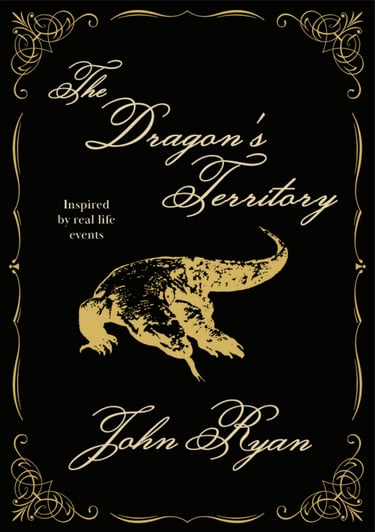
From the Depths of Unexplored Jungles...
FOREWORD
In 1910, a Dutch colonial administrator Lieutenant Steyn van Hensbroek, receives a letter. This letter states there are rumours about a few isolated islands in an uncharted region of Indonesia. These islands are ruled by fearsome land crocodiles reaching over twenty feet in length. Van Hensbroek is amazed, and with a prodigious curiosity, digests every word. An expedition is proposed immediately, thus a several-month-long voyage commences. Van Hensbroek is fully aware of the perilousness of this pioneering journey, however, he is also aware that this might be a prelude to one of the greatest scientific discoveries ever made. His name is destined to go down in history.
He arrives on Flores Island, making a small coastal village called Labuan Bajo his base. The local indigenous people equip a small fishing boat to convey him onto the islands, where the letter states the mythical beasts dwell.
It is not long before a curiously prehistoric landscape opens up before him. The expedition reaches the island of Komodo and the very first trepidatious foot of a scientist is set upon this archipelago. The indigenous bearers nervously look around whilst grasping their so-called magic stick–six-foot tall wooden, forked sticks edged in blunt tips.
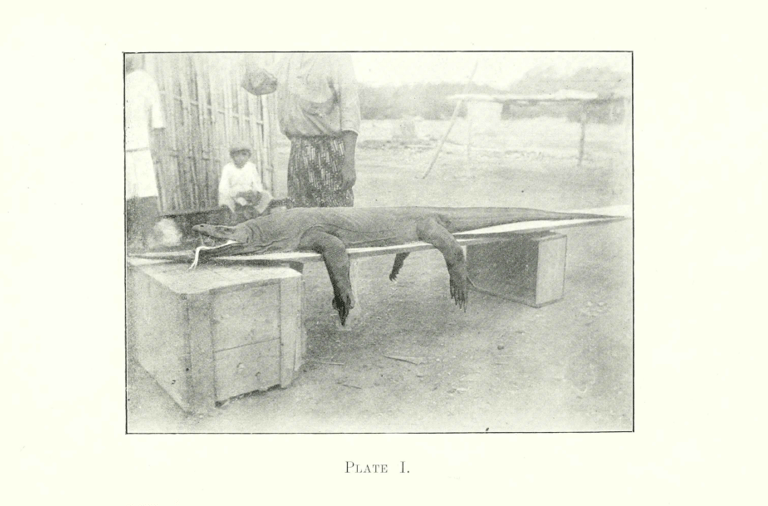
Despite the mysterious perilousness of the unknown, nothing will devote a single-minded determination of a pioneering explorer to achieve one's goal. Leaving the shore, Van Hensbroek begins the exploration. Only soon to experience a sight like from the ancient times. An echo of times long before man. A large, scaly beast is making its way through the dry grass-covered landscape. Alarm calls sound from various birds and monkeys, loudly enunciating the presence of a large apex predator. Brought out of his stunned stillness, Van Hensbroek fetches his rifle, aims and shoots the beast. Evidential photographs are then taken, and the animal is skinned.
The skin of the beast alongside photographs and a letter stating 'An unknown species of a gigantic lizard' are sent to the director of Java Zoological Museum and Botanic Gardens, specifically to scientist, Peter A. Ouwens. This evidence is closely and carefully examined as the first ever record of such a creature. Professor Ouwens names this animal Varanus komodoensis–the Komodo Dragon–with a scientific description to follow.
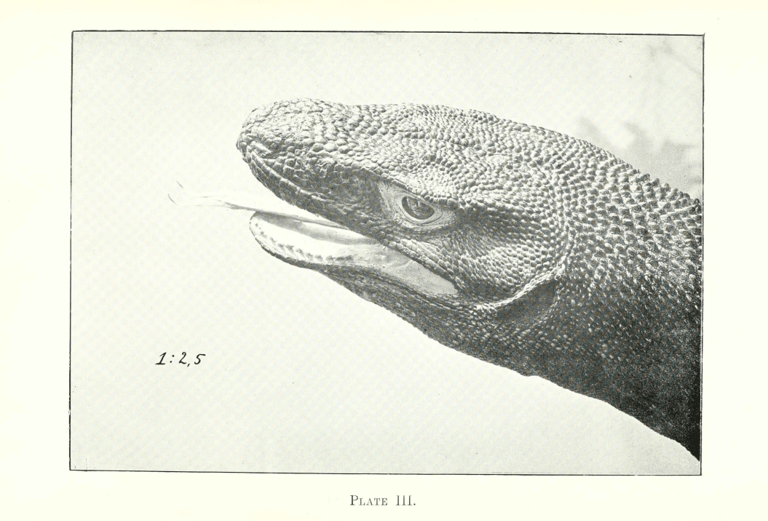
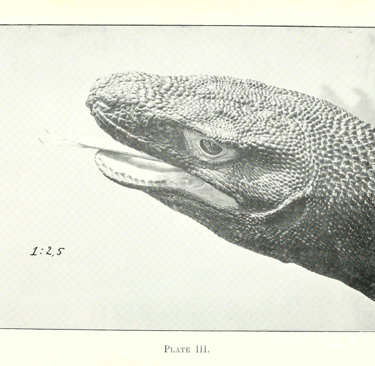
To this present day, the myths and legends are still very much alive. The Komodo Islands are undoubtedly one of the most mysterious places on Earth. So little is known of them that fairy tales and legends overshadow the facts. They are so mysterious, that you travel back to the time of pioneering explorers that perhaps was the inspiration for Arthur Conan Doyle's The Lost World.
This thrill of the unknown, the sheer mystery of this ancient land, has haunted me many a decade. This immense thirst for knowledge was destined to be quenched by venturing to these parts. And so, it happened.
My name is John Ryan. I’m an Australian naturalist, zoologist, conservationist, and explorer. I'm following the trail of the first Dutch expedition in 1910 to the province of East Nusa Tenggara, a place known as the Komodo Islands.
Prepare yourself to hear a story like never before. An epic true chronicle written like those tales from the times of pioneering explorers where ancient legends meet reality. A journey through the depths of unexplored jungles, heights of magical serenity, the haunting beauty of the blue seas, and the scorching volcanic land where you will come face-to-face with a formidable predator shrouded in myths and stories–The Komodo Dragon.
Ladies and gentlemen, sit back and enjoy the mystery, action, danger and the rugged beauty of this prehistory-like world and the life within.
Welcome to The Dragon's Territory.
CONTACT US
With any book, research or Foundation enquiries, please do not hesitate to contact us.
We would love to hear from you!
Phone
info@upmp.com
+353 85 716 6328
© 2025. All rights reserved.


The Dragon's Territory is a part of The Urgent Priority Management Program. Learn more by visiting our website: